Fabric guide
Choosing school uniform fabric in Nigeria: cotton, poly-cotton or suiting?
Heat, hard washing and a full school year: how to choose between cotton, poly-cotton and suiting fabric for shirts, pinafores, trousers and blazers.
· 4 min read · Modish Formals
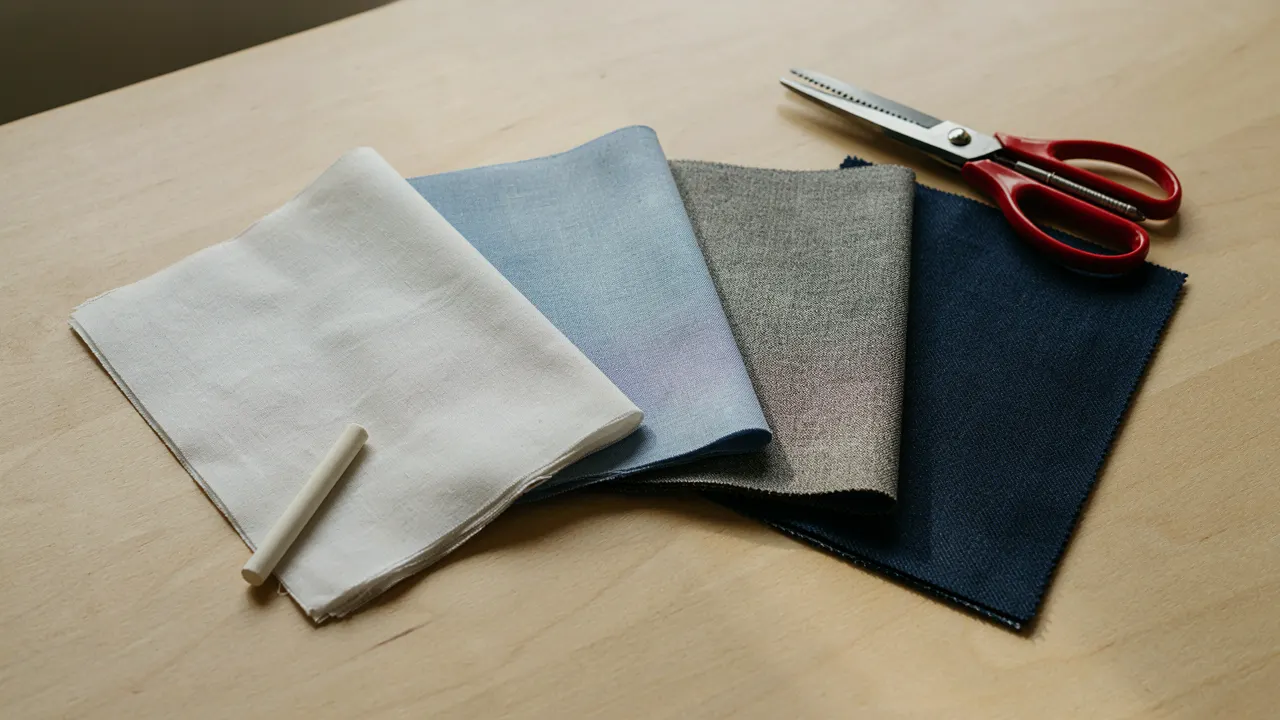
A uniform has to survive heat, hand washing, playground wear and a full school year while still looking smart in the last week. The fabric decides most of that. These are the three you will meet most often.
The three common choices
100% cotton is soft and breathable, and comfortable in hot weather. It creases more and can shrink or fade faster if the cloth is not pre-shrunk and the dye is not good.
Poly-cotton (65/35 is the common blend) mixes cotton's comfort with polyester's strength. It creases less, dries quickly, holds its colour and wears longer. It is the practical default for shirts, pinafores and trousers that are washed again and again.
Suiting is a heavier, structured cloth used for blazers and formal jackets. It holds its shape and gives a sharper finish.
Matching fabric to garment
A sensible choice for each garment
- Garment
- Shirt or blouse
- A sensible choice
- Poly-cotton, or cotton for very hot sites
- Why
- Washed often, must stay crisp
- Garment
- Pinafore, skirt, trousers
- A sensible choice
- Poly-cotton or check fabric
- Why
- Takes wear, keeps its pleat and colour
- Garment
- Blazer
- A sensible choice
- Suiting
- Why
- Structure and finish
- Garment
- PE wear
- A sensible choice
- Lighter jersey or poly-cotton
- Why
- Moves and breathes
At Modish Formals we work with 65/35 poly-cotton, 100% cotton, shirting and check fabrics, and Turkish suiting for blazers, and the fabrics are pre-shrunk.
Five questions to ask before you choose
- Is it pre-shrunk? Uniforms that shrink after the first wash are the most common complaint.
- Will the colour hold? Ask to see a washed swatch, not only a fresh one.
- Is it the same fabric batch for the whole order? A different batch can mean a slightly different shade between the first and last class.
- How does it feel in the heat? Ask a few students and a teacher to wear a sample for a day.
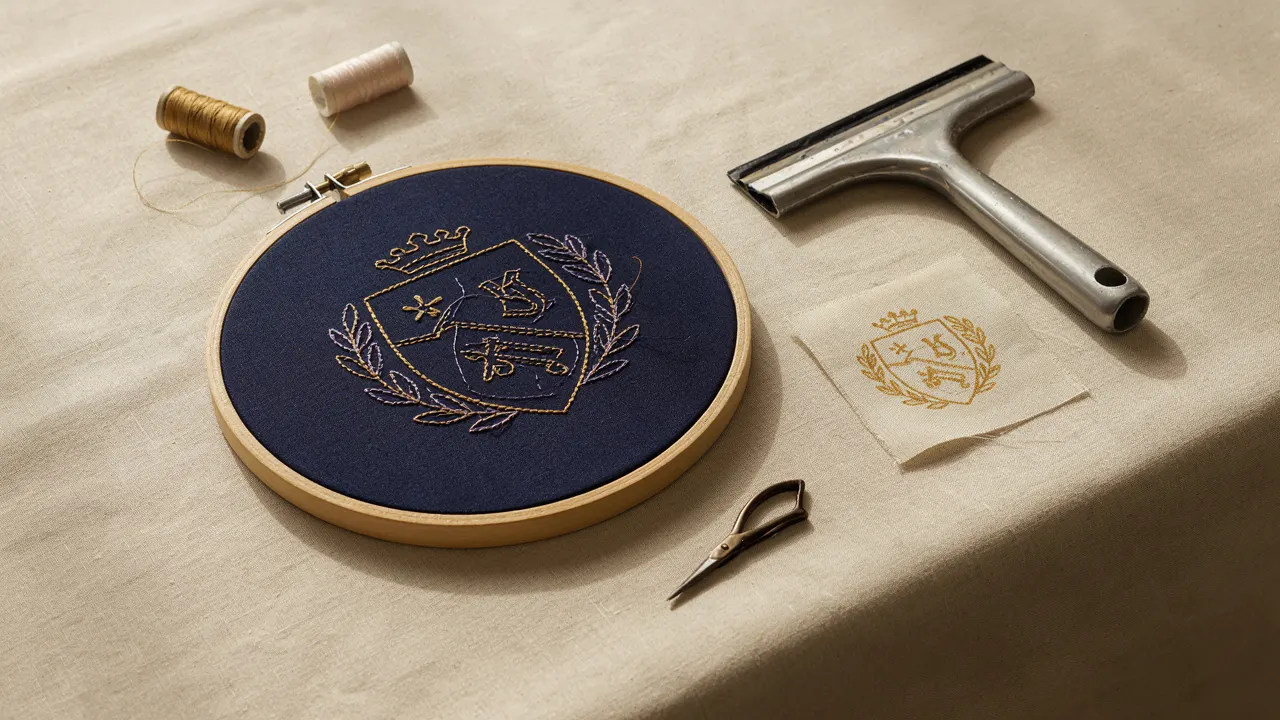
- Can the crest be embroidered on it cleanly? Very thin fabric may need extra backing.
Don't compare on price alone
Two quotes with the same total can hide different fabrics. Compare the cloth first, then the price. Cheaper cloth that fades by the second term costs a school more in replacements.